


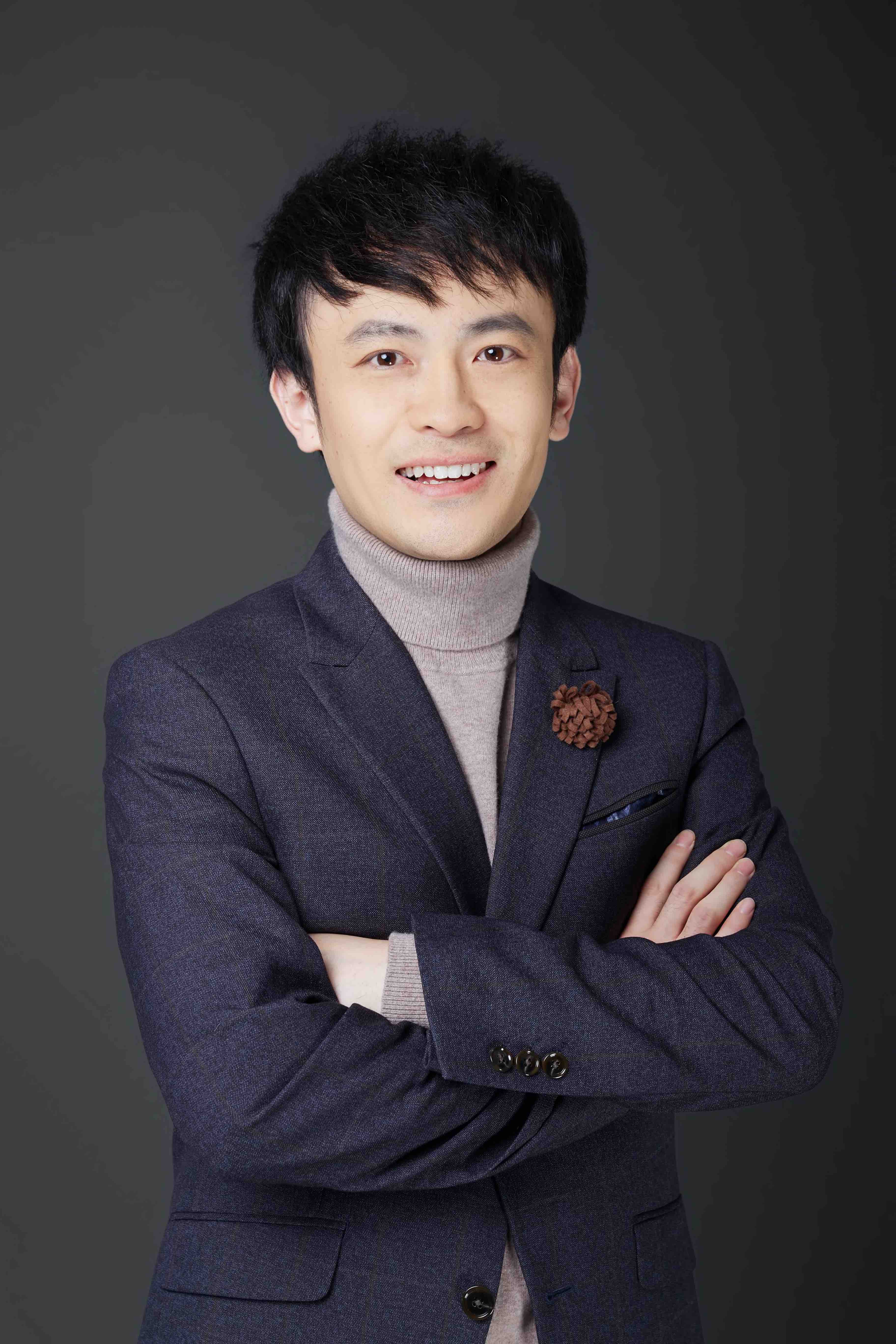
王凯 讲师
组织机构:教师教育研究院
地址:新街口外大街19号
简介:王凯,北京师范大学教育学部讲师。比利时布鲁塞尔自由大学博士。邮箱:wangkai1991@bnu.edu.cn
基本信息
北京师范大学教师教育研究院讲师,双肩挑辅导员。研究方向为教师教育,教师数字素养,创新教学,教学设计。近期研究关注点为教师人工智能素养、教师专业发展、教师教学能力。
教育背景
2015.9-2019.11 比利时布鲁塞尔自由大学(VUB)教育科学专业,教育学博士学位
2012.9-2015.6 西南大学 教育技术学专业,教育学硕士学位
2008.9-2012.6 邯郸学院 教育技术学专业,教育学学士学位
工作经历
2022.08-今 北京师范大学教育学部 讲师
2020-2022 北京师范大学教育学部 博士后
教学工作
博士课程 《学术论文写作与发表》国际博士项目
硕士课程 《多媒体课件设计与制作》
本科课程 《大学心理》
科研项目
2022.04-2023.04 主持负责 北京市房山区良乡镇良乡中心小学基于项目化学习的教育教学质量提升研究 横向课题
2022.10-2024.09 主持负责 翻转课堂模式下学生高阶思维的习得及脑机制研究 中央高校基本科研业务费专项资金项目
学术成果
(1)Wang, K., Cui, W., & Yuan, X. (2025). Artificial Intelligence in Higher Education: The Impact of Need Satisfaction on Artificial Intelligence Literacy Mediated by Self-Regulated Learning Strategies. Behavioral Sciences, 15(2), 165. 【SSCI 二区】
(2)Kai Wang, Guoyuan Sang, Ching Sing Chai, Liang, J.-C.(2024), Exploring Teachers’ Behavioral Intentions to Design Artificial Intelligence Assisted Learning in Chinese K-12 Education. Technology,Pedagogy and Education.【SSCI 一区】
(3)Wang, K., Ruan, Q., Zhang, X., Fu, C., & Duan, B. (2024). Pre-Service Teachers’ GenAI Anxiety, Technology Self-Efficacy, and TPACK: Their Structural Relations with Behavioral Intention to Design GenAI-Assisted Teaching. Behavioral Sciences, 14(5), 373.【SSCI 二区】
(4)Sang, G., Wang, K., Li, S., Xi, J., & Yang, D. (2023). Effort expectancy mediate the relationship between instructors’ digital competence and their work engagement: evidence from universities in China. Educational technology research and development, 1-17.(通讯作者)【SSCI 一区】
(5)Wang, K.; Sang, G.-Y.; Huang, L.-Z.; Li, S.-H.; Guo, J.-W (2023). The Effectiveness of Educational Robots in Improving Learning Outcomes: A Meta-Analysis. Sustainability, 15, 4637.【SSCI 二区】
(6)Huang, L., Wang, K., Li, S., & Guo, J. (2023). Using WeChat as an educational tool in MOOC-based flipped classroom: What can we learn from students’ learning experience?. Frontiers in Psychology, 13.(通讯作者)【SSCI 一区】
(7)徐芷菡;王凯 (2023),重建道德关系:道德教育的困境与出路——基于对“无德而富”问题的忧思[J].教育学术月刊.(通讯作者)
(8)Kai Wang, Chang Zhu, Shihua Li, Guoyuan Sang (2022). Using Revised Community of Inquiry Framework to Scaffold MOOC-based Flipped Learning. Interactive learning environment.【SSCI 一区】
(9)Yang D, Chen P, Wang H, Wang K and Huang R (2022) Teachers' autonomy support and student engagement: A systematic literature review of longitudinal studies. Front. Psychol. 13:925955. (通讯作者)【SSCI 一区】
(10)Kai Wang, Chang Zhu, Jo Tondeur (2021). Using micro-lectures in Small Private Online Courses: What do we learn from student’s behavioral intentions? . Technology,Pedagogy and Education.【SSCI 一区】
(11)Lei Zhang, Hui Zhang, Kai Wang (2020), Media Literacy Education and Curriculum Integration: A Literature Review. International Journal of Contemporary Education.
(12)Kai Wang, Chang Zhu (2019). MOOC-integrated flipped learning in higher education: students’ participation, experience and learning performance. International Journal of Educational Technology in Higher Education.【SSCI 一区】


师大教育学部
教育学部视频号
培训学院
惠妍国际学院
学而微语
英东洞
